Dl Methionine
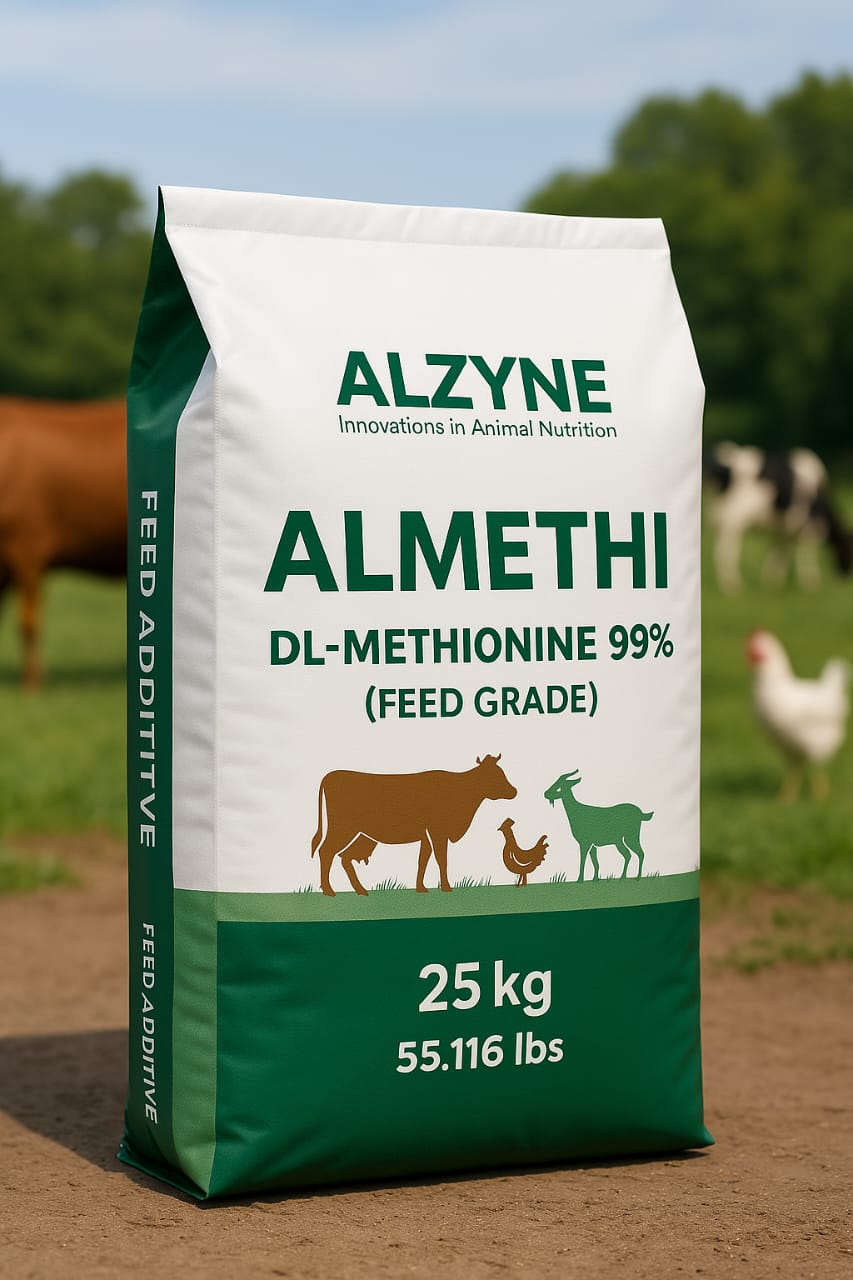
ALMETHIDL-Methionine Powder ( Feed Grade )
DL-methionine is an essential amino acid, recognized for its unique white flake crystal or crystalline powder appearance, which is derived from alcohol. This compound exhibits a subtle sweetness and a distinctive odor, while notably lacking optical rotation.
DL-methionine is soluble in water, dilute acids, and alkalis, exhibiting slight solubility in 95% alcohol, but remains insoluble in ether. In poultry diets predominantly composed of corn and soybean meal, DL-methionine is crucial as the first limiting amino acid. Its importance in animal nutrition cannot be underestimated, as it significantly contributes to protein synthesis and overall growth performance in poultry, ultimately supporting their health and productivity.
Through the inclusion of DL-methionine in their diets, producers can ensure optimal outcomes in poultry farming.
Feed grade Dl methionine COA
Item | Specification | Result |
Appearance | White or light grey | Light grey crystal |
DL-Methionine | ≥99.0 | 99.0 |
Loss on drying | ≤0.3 | 0.1 |
(%) Chloride (NaCI) | ≤0.2 | <0.2 |
(mg/kg)Pb | ≤20 | <20 |
As(mg/kg) | ≤2 | <2 |
Conclusion | High Grade Product | |
Storage Condition
Stored in a ventilated, dry, shady and cool place. Do not store it together with items that are poisonous, harmful or with peculiar smell.
Expiration Date
36 months from the date of manufacturing.
Package Specification
25 kg/bag
Functions and Applications
The nutritional additives of feed are mainly methionine, supplemented by lysine and other amino acids.
Methionine is an impossible additive in animal feed, because animal feed added with methionine can help animals grow rapidly in a short time and can save about 40% of the feed. If the animal lacks methionine, it will lead to poor growth, weight loss, and weight loss. The liver and kidney functions begin to decline, muscles begin to atrophy, and fur deteriorates.
How much methionine does one ton of feed need to add?
The content of methionine in layer feed is 0.4%-0.5%, and it should not exceed 0.9% at most. According to different types of feed, the proportion of addition is different.
Laying chicken feed for the whole family: no additional addition is required. Corn soybean meal feed: It is more appropriate to add 1-2kg per ton. Fish meal protein feed: itself contains a lot of methionine, so reduce the amount of methionine added.
What is the effect of high methionine content?
If the content of methionine in the chicken feed is too high, it will cause the absorption of methionine into the liver to exceed the liver’s decomposition and synthesis capacity, resulting in failure of normal decomposition and synthesis and metabolism, making it impossible to decompose and eliminate various toxic substances, and keep accumulating in the liver. , Kidney, which causes major degeneration of liver and kidney cells, disrupts the metabolic balance of laying hens, and causes poisoning of chickens.
How to solve the problem of high methionine content?
If you accidentally add too much methionine to the feed, you can add glycine, serine or threonine and vitamin A to alleviate it.