L-Isoleucine
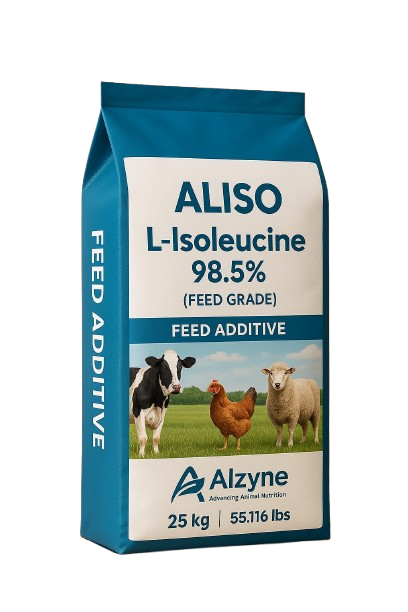
ALISO L- Isoleucine 98.05%
Isoleucine, also referred to as α-amino-β-methylvaleric acid, is an essential aliphatic amino acid characterized by its white crystalline flakes or powder form. With the chemical formula C6H13NO2, isoleucine plays a critical role in various biochemical processes, including protein synthesis, energy production, and muscle metabolism. Its slightly bitter and odorless nature makes it unique among amino acids. As one of the branched-chain amino acids (BCAAs), isoleucine is particularly important for athletes and individuals engaged in intense physical activities, as it aids in muscle recovery and endurance. Due to its importance in human nutrition, isoleucine is commonly found in protein-rich foods such as meat, fish, dairy, and legumes, and it is often included in dietary supplements to support overall health and athletic performance.
Items
| Limits
| Test results
|
Description
| White crystals or crystalline powder | Conforms |
Identification(IR) | Concordant with the reference spectrum | Conforms |
Assay
| ≥98.5% | 99.2% |
Loss on drying
| ≤2.0% | 0.50% |
Conclusion:Passed test according to the Standard of Q/XJFS015-2020 | ||
Storage Condition
Stored in a ventilated, dry, shady and cool place. Do not store it together with items that are poisonous, harmful or with peculiar smell.
Expiration Date
36 months from the date of manufacturing.
Package Specification
25 kg/bag
The use of feed additives plays a crucial role in meeting the nutritional needs of various target animals, including cattle, chickens, dogs, horses, pigs, and fish. These additives are designed to contribute to the synthesis of essential tissue proteins, vitamins, enzymes, and hormones, which are vital for numerous metabolic processes. By participating in the metabolism of nitrogen, carbohydrates, and fats, these feed components help promote overall health, growth, and productivity in livestock and pets. As a result, incorporating the right feed additives can enhance the efficiency of nutrient utilization, ensuring that animals receive a balanced diet necessary for their development and well-being. This approach not only supports individual animal health but also contributes to the sustainability of animal husbandry practices.